Kidney cancer occurs when abnormal cells grow in your kidney, often presenting as a mass. Early on, there may be no symptoms, but later signs can include blood in urine or back pain. While exact causes are often unclear, maintaining a healthy lifestyle, avoiding smoking, and managing weight can help reduce risk. Treatment options vary and are tailored to each individual.
Please review the videos and resources below at your own pace.
Recommended Videos
Dr. Uzzo Discusses the Role of Surgery in Kidney Cancer
Dr. Uzzo discusses the evolving role of surgery in kidney cancer, covering current importance, future with systemic therapies, risk stratification, and advanced techniques like organ-sparing & robotic surgery.
After Kidney Cancer Treatment: What You Need to Know
Get essential insights on kidney cancer survivorship from an oncology nurse & patient survivor. Learn about post-treatment life, follow-up scans, mental health, returning to work, and key resources.
Robot-Assisted Partial Nephrectomy (RAPN)
This animation explains Robot-Assisted Partial Nephrectomy (RAPN). See how surgeons use robotic precision to remove kidney tumors while preserving healthy tissue, a key treatment for kidney cancer.
1-3 of 3
Recommended Resources
1-4 of 4
Related Resources from Eric Ghiraldi
0-0 of 0
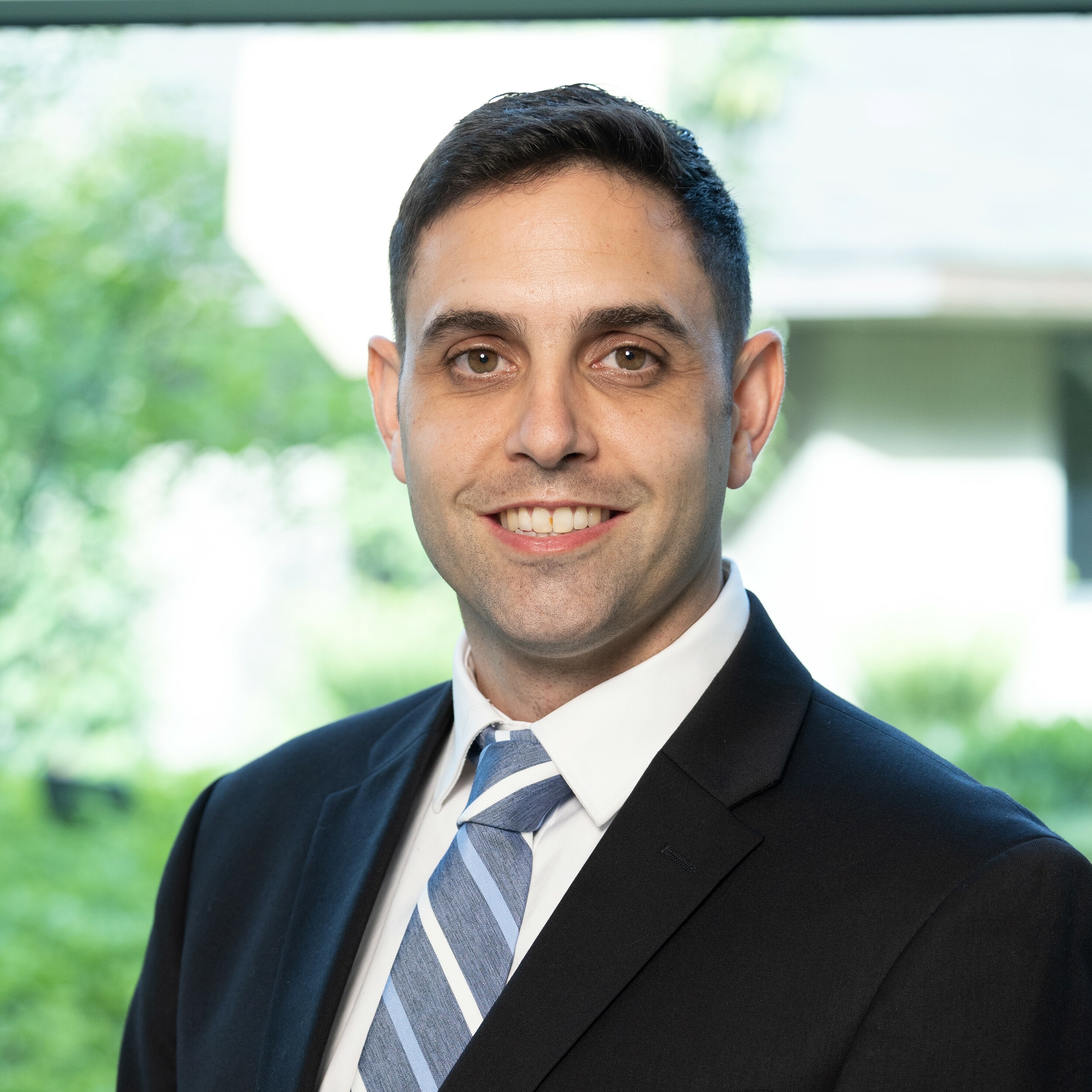
Meet Eric Ghiraldi
Assistant Professor of Urology, Fox Chase Cancer Center/Temple Health
Locations
Welcome! I am an endourologist with a specialty practice in male voiding dysfunction due to enlarged prostate and kidney stone prevention. My training allows me to take care of the most complex cases of enlarged prostate and complex kidney stone disease. Specialty procedures that I offer in my practice include laser enucleation of the prostate for prostates of all sizes and percutaneous nephrolithotomy for large kidney stones. What I enjoy most about being a Urologist is developing long lasting relationships with my patients. Most urologic conditions are very personal, making it difficult at times to talk about your symptoms. My goal is to create an environment that helps to build strong relationships so that we can easily have those more difficult conversations. The following pages include valuable resources for you and your families in an easy and organized format. Looking forward to seeing you soon!