Prostate cancer is a common cancer in men, affecting the walnut-sized prostate gland. Early stages often have no symptoms, though risk increases with age and family history. Treatment options vary, from active surveillance to surgery or radiation. Maintaining a healthy lifestyle can be beneficial.
Please review the videos and resources below at your own pace.
Recommended Videos
Prostate Cancer Grading and Staging
Understand your prostate cancer diagnosis. Dr. Canes explains grading (Gleason score, grade groups) and staging (1-4) to help you grasp how cancer aggressiveness and spread are assessed.
Prostate Cancer Risk Stratification
Prostate cancer diagnosis? Learn risk stratification! Understand how patients are categorized into risk buckets, impacting crucial decisions on scans, treatment, and observation.
Robotic prostatectomy steps explained
Ever wondered about robotic prostatectomy? Dr. David Canes breaks down the DaVinci surgical steps, involved anatomy, and how remote-controlled robotic surgery works.
MUSIC Patient Educational Video for Prostate Surgery
Learn essential post-prostate surgery care, covering physical activity, diet, JP drain, Foley catheter management, and pain control strategies for your hospital stay and home recovery.
NCCN Patient Webinar: Advanced Prostate Cancer
NCCN experts guide patients & caregivers through advanced prostate cancer. Understand diagnosis, treatments, genetic testing, side effects, clinical trials, and advocacy in this essential webinar & Q&A.
1-3 of 5
Recommended Resources
1-5 of 6
Related Resources from Dr. Uzzo, MD, MBA, FACS
0-0 of 0
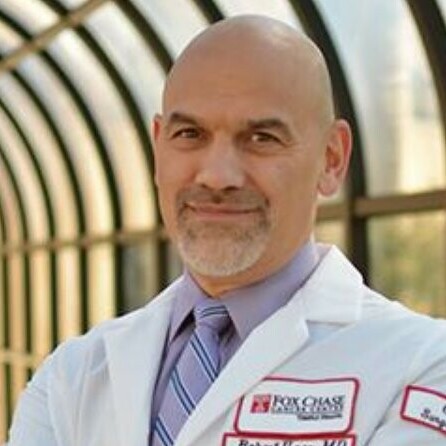
Meet Dr. Uzzo, MD, MBA, FACS
President and CEO, Fox Chase Cancer Center
EVP Cancer Services – Temple University Health System
Senior Associate Dean, Clinical Cancer Research - Lewis Katz School of Medicine
G. Willing "Wing" Pepper Chair in Cancer Research
Locations
I believe in treating patients as I would my own family. I strive to communicate effectively with patients and family members at all levels. Through extensive discussions with my patients, I develop treatment plans that are both effective and acknowledge that quality of life issues are exceptionally important. I emphasize individually tailored treatments to help patients achieve success and limit treatment-related side effects which can affect quality of life.