Kidney cancer occurs when abnormal cells grow in your kidney, often presenting as a mass. Early on, there may be no symptoms, but later signs can include blood in urine or back pain. While exact causes are often unclear, maintaining a healthy lifestyle, avoiding smoking, and managing weight can help reduce risk. Treatment options vary and are tailored to each individual.
Please review the videos and resources below at your own pace.
Recommended Videos
Legends in Urology: Robert Uzzo, MD
Join Dr. Robert Uzzo, a distinguished urologist, as he discusses his revolutionary RENAL score, risk management in kidney cancer, and strategies for physician well-being in this insightful interview.
Dr. Uzzo Discusses the Role of Surgery in Kidney Cancer
Dr. Uzzo discusses the evolving role of surgery in kidney cancer, covering current importance, future with systemic therapies, risk stratification, and advanced techniques like organ-sparing & robotic surgery.
After Kidney Cancer Treatment: What You Need to Know
Get essential insights on kidney cancer survivorship from an oncology nurse & patient survivor. Learn about post-treatment life, follow-up scans, mental health, returning to work, and key resources.
NCCN Patient Webinar: Kidney Cancer
NCCN experts guide kidney cancer patients & caregivers through types, diagnosis, and treatment options like surgery, systemic & immunotherapy. Learn to manage side effects and find key resources.
1-3 of 4
Recommended Resources
1-5 of 7
Related Resources from Dr. Uzzo, MD, MBA, FACS
0-0 of 0
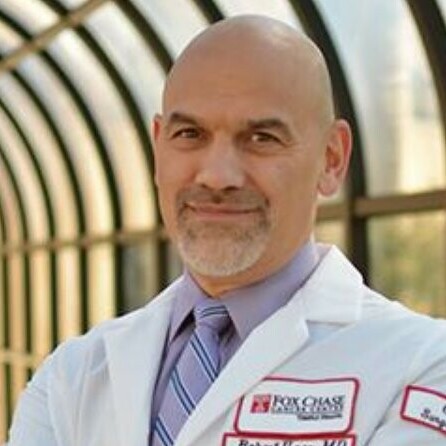
Meet Dr. Uzzo, MD, MBA, FACS
President and CEO, Fox Chase Cancer Center
EVP Cancer Services – Temple University Health System
Senior Associate Dean, Clinical Cancer Research - Lewis Katz School of Medicine
G. Willing "Wing" Pepper Chair in Cancer Research
Locations
I believe in treating patients as I would my own family. I strive to communicate effectively with patients and family members at all levels. Through extensive discussions with my patients, I develop treatment plans that are both effective and acknowledge that quality of life issues are exceptionally important. I emphasize individually tailored treatments to help patients achieve success and limit treatment-related side effects which can affect quality of life.